In fields such as architectural decoration, industrial manufacturing, and household kitchenware, stainless steel is widely used due to its excellent corrosion resistance and aesthetic appeal. However, it is not uncommon to see rust on stainless steel components in reality: yellow rust spots appear on handrails, rust stains appear on stainless steel bathroom fixtures, and even stainless steel in coastal environments can rust. This raises many questions: Since it's stainless steel, why does it still rust?
In fact, stainless steel is not "rust-proof forever," but rather, when subjected to pollution, environmental corrosion, or improper maintenance, it can locally lose its passivation film, thus producing rust. This article will comprehensively analyze the corrosion resistance principle of stainless steel, the causes of rusting, types of corrosion, and anti-rust measures, helping you to scientifically understand and use stainless steel.
What is stainless steel?
Stainless steel refers to a steel alloy containing at least 10.5% (by mass) of chromium (Cr).
The key is that when chromium comes into contact with oxygen in the air or water, it forms a very thin, dense, chromium-rich oxide film (called a passive film) on the steel surface. This passive film effectively prevents oxygen and corrosive substances from further penetrating the base metal, thus providing "rust resistance."
In short, unlike ordinary carbon steel where "iron + oxygen = rust," stainless steel uses a "passive protection" mechanism: "iron + chromium + oxygen → chromium oxide film."
Why does stainless steel have corrosion resistance?
Formation of a passivation film
Chromium in the alloy reacts with oxygen to form chromium oxides (Cr₂O₃, etc.), creating a film several nanometers thick on the metal surface. This film is both dense and self-repairing (when the surface is scratched and the oxide film is damaged, the film can regenerate as long as oxygen is present).
Synergistic effect of alloying elements
In addition to chromium, stainless steel often contains elements such as nickel (Ni), molybdenum (Mo), and nitrogen (N) to enhance corrosion resistance, resistance to chloride attack, and improve strength. For example, 316 grade contains molybdenum, making it more resistant to chloride corrosion than 304 in salt spray or marine environments.
Superior structure compared to ordinary steel
Because of the passivation film, stainless steel is more resistant to oxidation than ordinary steel in normal atmospheric and humid environments. Even if the surface oxidizes, it does not form the large, cracked, and peeling rust layers that ordinary steel does. Therefore, we often say "stainless" rather than "never rusts."
So, why does stainless steel still rust?
Although stainless steel has the advantage of corrosion resistance, it is not absolutely rust-proof, but rather "rust-resistant"—under specific conditions, the passivation film may fail or be damaged, leading to corrosion. The main reasons can be summarized as follows:
Insufficient alloy composition or damaged passivation film
If the chromium content in the alloy is too low or uneven, or if there are contaminants, welding areas, or scratches on the surface, the passivation film may not form properly or its self-repair ability may be weak.
During welding and high-temperature heat treatment, if "sensitization" occurs (i.e., chromium combines with carbon to form chromium carbides, resulting in chromium depletion at the grain boundaries), the corrosion resistance decreases.
Erosion by chloride ions, salt spray, and marine environments
Chloride ions (Cl⁻) are the most common factor in damaging the passivation film of stainless steel. In salt spray, sea breeze, and environments containing chlorine compounds, the passivation film may be locally perforated, leading to pitting corrosion and crevice corrosion.
Gaps, dirt, deposits, and contact with dissimilar metals
If there are gaps in the design (such as overlapping plates, screw holes, and contact points between welds and the base material), oxygen is difficult to enter, and the electrolyte easily accumulates, causing the passivation film to fail in that area.
If the surface of the stainless steel is covered with ordinary steel fragments or rust, or if it is in direct contact with low-corrosion-resistant metal components, causing galvanic corrosion, it will also accelerate rusting.
High temperature/chemical media attack
In high-temperature environments, strong acids and bases, chlorine gas, and chlorine-containing chemicals, the stainless steel passivation film may be damaged or dissolved, leading to uniform corrosion.
Improper maintenance & environmental accumulation
Even if the material is correct and the design is reasonable, if there is a long-term lack of cleaning, dust accumulation, prolonged water retention on the surface, and failure to drain water promptly, it will also make the local environment a "breeding ground for corrosion."
Therefore, when you see "304 stainless steel also rusts" or "rust spots appear on stainless steel handrails," it is not necessarily due to counterfeit material, but more likely due to one of the factors mentioned above.
Common Types of Corrosion in Stainless Steel
Understanding the types of corrosion is helpful for design, manufacturing, and maintenance. The following are several typical forms:
Pitting corrosion: Localized formation of "pits," often occurring in chloride-containing environments.
Crevice corrosion: Occurs in areas with poor ventilation and easy accumulation of deposits, such as crevices, overlapping plates, and edges of seals.
Galvanic corrosion: When stainless steel is immersed in an electrolyte (such as water) together with another conductive metal, the metal with the weaker potential will corrode preferentially.
Intergranular corrosion: After welding or heat treatment, chromium depletion at the grain boundaries leads to a decrease in the corrosion resistance of high-quality stainless steel.
General corrosion: Uniform loss of the entire surface in very aggressive chemical environments (strong acids/strong bases).

Common Rust Scenarios and Cause Analysis
1️⃣ Outdoor Railings / Handrails Rusting
Typical environments: Balconies, staircases, bridges, corridors, terraces, etc.
Main reasons:
Prolonged exposure to rain, dust, acid rain, and air pollution.
Accumulation of iron filings, dust, or salt (especially in coastal areas) on the surface.
Lack of passivation treatment at handrail welding points, causing localized damage to the oxide film.
Rust prevention suggestions:
For outdoor use, 316 or 316L stainless steel is recommended for better salt spray resistance.
Regularly (every 2-3 months) wipe with clean water or a neutral detergent to keep it clean.
Avoid using steel wool or chlorine-containing cleaning agents.
2️⃣ Rusting of Stainless Steel Components in Coastal Environments
Typical environments: Balconies of seaside villas, harbor railings, outdoor sculptures, etc.
Main reasons:
Chloride ions carried by sea breezes damage the passivation film.
Long-term adhesion of condensed sea mist leads to pitting corrosion.
Low maintenance frequency and accumulation of salt.
Rust prevention suggestions:
Use molybdenum-containing materials (such as 316 and 2205 duplex stainless steel).
Surface treatment with mirror finish or PVD color coating can enhance corrosion resistance.
Regularly rinse off salt with fresh water (recommended monthly).
Apply a special protective agent (such as stainless steel passivation paste, anti-rust wax).
3️⃣ Rust Stains on Stainless Steel Bathroom/Kitchen Accessories
Typical Environment: High humidity, high temperature, and water vapor environment.
Main Reasons:
Iron and chloride ions in the water, accumulating over time to form rust stains.
Residues from detergents and shampoos corroding the surface.
High air humidity and poor ventilation.
Rust Prevention Suggestions:
Regularly keep the area dry and well-ventilated.
Use 304 or higher grade stainless steel material.
Clean once a month, wiping the surface with a neutral detergent and drying with a dry cloth.
4️⃣ Rusting of Curtain Walls/Architectural Decorative Panels
Typical Environment: Commercial buildings, hotel exterior walls, elevator frames, column cladding.
Main Reasons:
Contamination by iron powder and carbon steel debris during construction.
Poor rainwater drainage, leading to water accumulation.
Surface not properly cleaned, and welding points not polished and passivated.
Rust Prevention Suggestions:
Remove iron filings, dust, and welding slag before installation.
After construction, treat the surface with a stainless steel-specific passivation liquid or cleaning agent.
Avoid areas prone to water accumulation in the design and ensure smooth drainage.
5️⃣ Rusting at Welds of Industrial Equipment and Railings
Typical Environment: Factory equipment, railing welds, connecting bolts.
Main Reasons:
Local overheating in the welding area, causing "sensitization" (chromium carbide precipitation).
Failure to perform pickling and passivation or polishing after welding.
Rust Prevention Suggestions:
Immediately after welding, use a pickling and passivation paste to remove the oxide layer.
Keep the welding area smooth and uniform.
If rust has already occurred, use fine sandpaper or stainless steel cleaning paste to polish and then passivate.
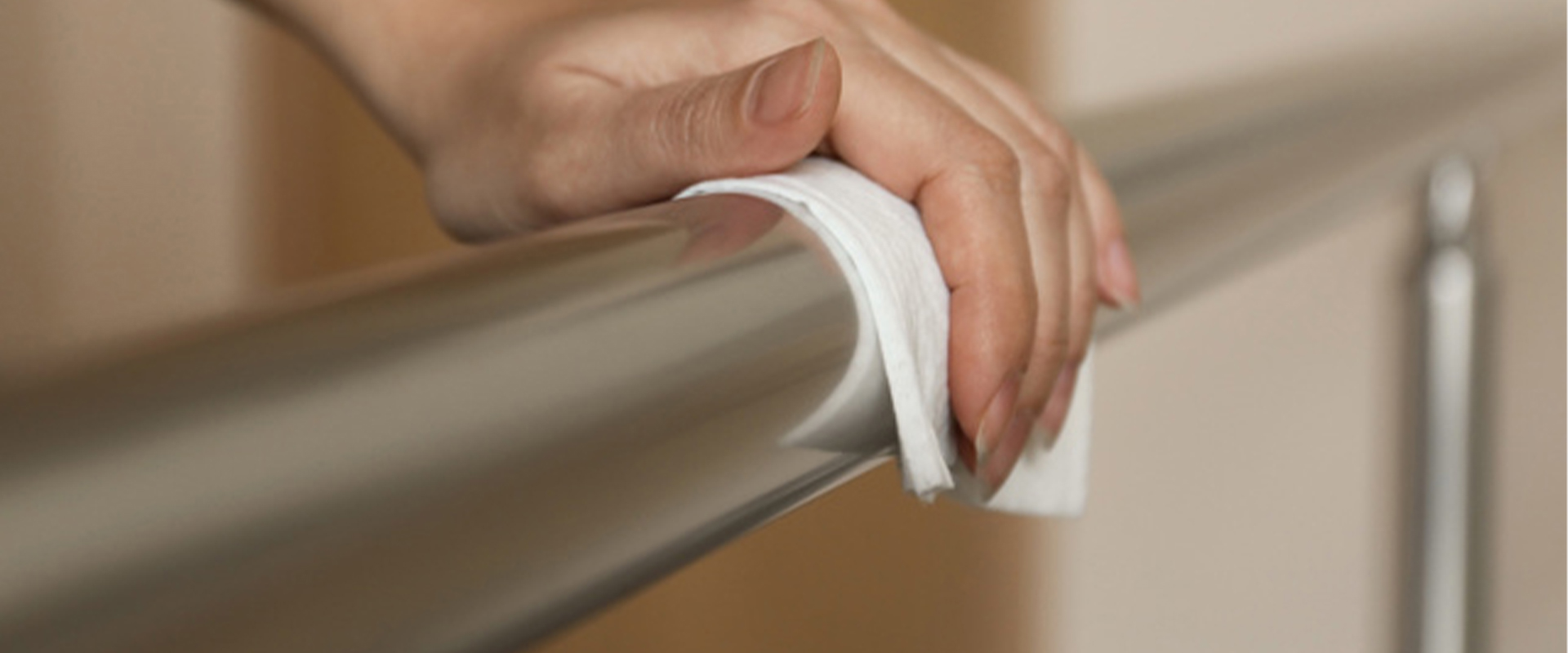
Methods for Removing and Repairing Stainless Steel Rust Stains
1. Daily Cleaning and Maintenance
Wipe with a neutral detergent and a soft cloth/sponge.
After cleaning, rinse thoroughly with clean water and dry.
Avoid using chlorine-based bleach, steel wool, or strong acid/alkaline cleaning agents.
2. Treatment of Minor Rust Stains
Gently wipe with stainless steel cleaning paste or rust remover powder (aluminum oxide based).
For mirror-finish surfaces, use an ultra-fine polishing cloth (8000 grit or higher).
Finally, spray on a protective agent or wipe with a passivation solution.
3. Treatment of Moderate Rust Stains
First, apply stainless steel pickling and passivation paste to the rusted area (react for 5-15 minutes).
Then rinse thoroughly with clean water and dry.
If the surface darkens, lightly polish to restore the shine.
4.Treatment of Severe Rust or Structural Rust Stains
If the rust has penetrated deep into the metal, it is recommended to repolish and repassivate.
If structural safety is affected, the component should be replaced.
Key Measures to Prevent Rust from Reappearing:
1. Regular Cleaning and Maintenance
Clean the surface every 2-3 months, especially in coastal or highly polluted areas.
2. Keep the Surface Dry and Ventilated
Avoid prolonged water accumulation and humid environments.
3. Avoid Direct Contact with Ordinary Steel Parts
Use plastic pads or isolation layers during installation or transportation.
4. Choose the Correct Material and Surface Treatment
For outdoor and seaside applications, 316 stainless steel with a mirror finish or PVD coating is recommended.
5. Proper Post-Welding Treatment
The welded area must be pickled and passivated to remove scale and oxide layers.
6. Packaging and Transportation Protection
Use moisture-proof film and avoid mixing or rubbing with iron parts.
Conclusion
Many users may mistakenly believe that "stainless steel = never rusts," but the truth is: stainless steel does not absolutely prevent rust. Rusting risk and speed are significantly reduced only under the conditions of using the appropriate material, good design, excellent processing, and correct maintenance.
Stainless steel rusting is not terrible; the key is understanding "why it rusts" and "how to prevent rust."
For engineering projects or decoration contractors, we recommend:
Selecting the appropriate material based on the environment during the initial design phase;
Strictly implementing cleaning and protection procedures during installation and construction;
Conducting surface inspection and cleaning before delivery to the customer.
As a professional stainless steel accessories manufacturer, we provide our customers with:
Various 304, 316, and colored stainless steel pipes, posts, and railing accessories;
Support for customized sizes, colors, surface treatments, and non-standard parts processing;
Utilizing automatic laser cutting and precision polishing technology to ensure product aesthetics and durability;
Providing anti-rust maintenance technical support and after-sales guidance.
Choosing the correct stainless steel solution can not only reduce rusting problems but also extend product life and reduce maintenance costs.


